May 7, 2026
Japan Train Travel: A Complete Guide to the JR Pass in 2026
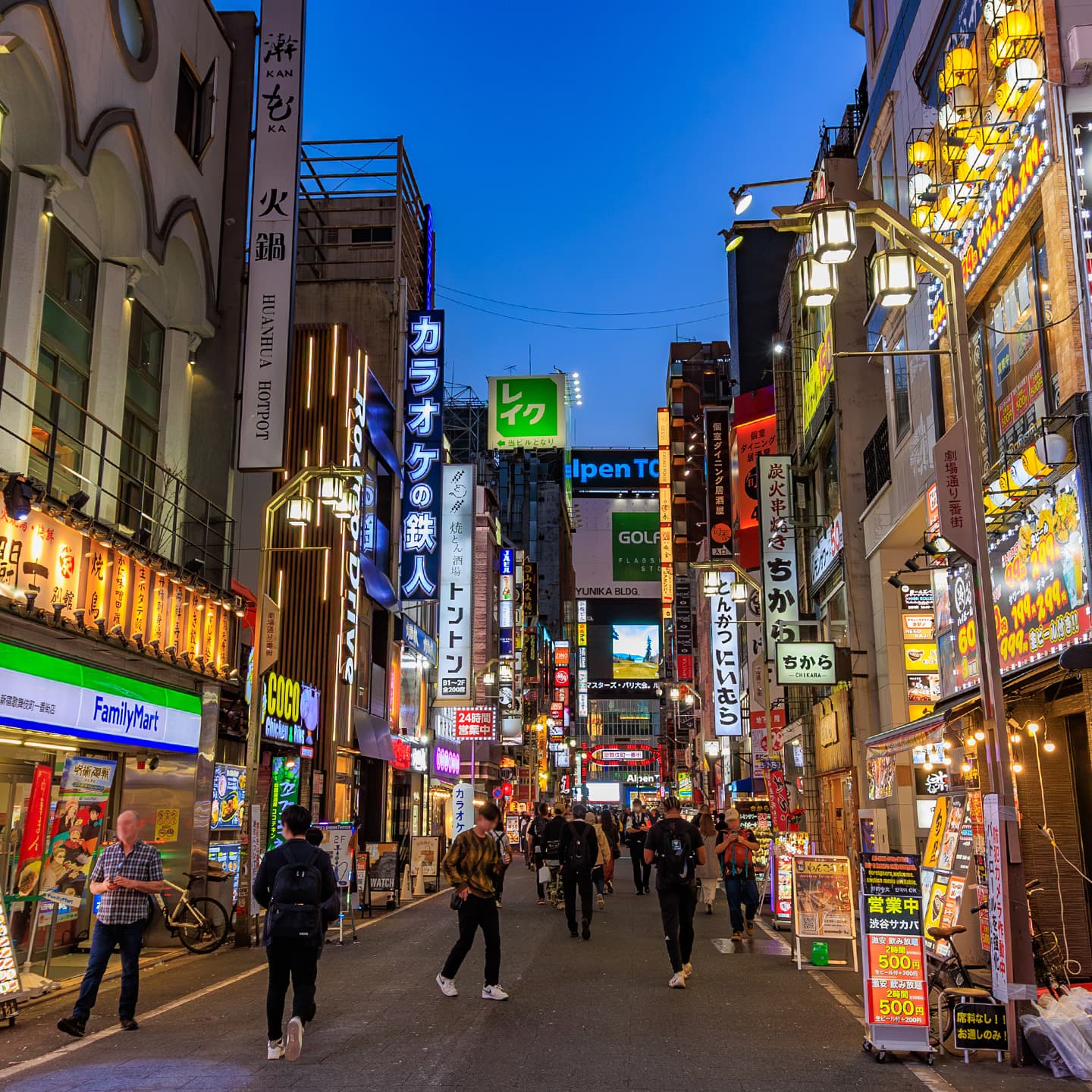
Japan's rail network is one of the most efficient and extensive in the world, and for international visitors, the Japan Rail Pass (JR Pass) can be the key to unlocking affordable travel across the country. Whether you are planning a whirlwind tour from Tokyo to Kyoto, Osaka, and Hiroshima, or a leisurely journey through the countryside, this guide covers everything you need to know about the JR Pass in 2026.
What Is the JR Pass?
The Japan Rail Pass is a special discounted ticket available exclusively to foreign tourists visiting Japan on a temporary visitor visa. It provides unlimited travel on most JR (Japan Railways) trains, buses, and ferries nationwide for a set number of consecutive days. Think of it as an all-you-can-ride pass for Japan's incredible rail system, including the famous shinkansen (bullet trains).
The pass comes in two classes — Ordinary and Green Car (first class) — and three durations: 7, 14, or 21 consecutive days.
JR Pass Pricing in 2026
Ordinary Pass
- 7-day pass: ¥50,000 (approximately $340 USD)
- 14-day pass: ¥80,000 (approximately $545 USD)
- 21-day pass: ¥100,000 (approximately $680 USD)
Green Car Pass (First Class)
- 7-day pass: ¥70,000 (approximately $475 USD)
- 14-day pass: ¥110,000 (approximately $750 USD)
- 21-day pass: ¥140,000 (approximately $950 USD)
Children aged 6-11 travel at half price. Children under 6 ride free when accompanied by a paying adult.
What the JR Pass Covers
The JR Pass gives you access to a surprisingly wide range of transportation:
- Shinkansen bullet trains: Hikari, Sakura, Kodama, Tsubame, Hayabusa, Komachi, and other services — with one important exception (see below)
- JR conventional lines: All local, rapid, and limited express trains on JR lines nationwide
- JR buses: Local JR bus routes in many cities
- Tokyo Monorail: Connecting Haneda Airport to central Tokyo
- JR Ferry to Miyajima: The ferry from Miyajimaguchi to Miyajima Island near Hiroshima
What the JR Pass Does NOT Cover
This is critical to understand before you buy:
- Nozomi and Mizuho shinkansen: These are the fastest bullet trains on the Tokaido and Sanyo lines (Tokyo-Osaka-Hiroshima-Fukuoka). You must use the slightly slower Hikari or Sakura services instead, which add only 20-30 minutes to most journeys.
- Private railways: Lines not operated by JR, such as Odakyu, Keio, Tokyu, Kintetsu, Nankai, and Hankyu. These are common in cities like Osaka, Kyoto, and Tokyo.
- Subway systems: Tokyo Metro, Osaka Metro, and other city subways are not JR and are not covered.
- Highway buses: Long-distance buses between cities are not included.
How to Purchase and Activate Your JR Pass
Buying the Pass
You can purchase the JR Pass in two ways:
- Online before your trip: Buy through the official JR Pass website or authorized agents. You will receive an exchange order or QR code to pick up your pass at a JR ticket office in Japan.
- In Japan: Purchase directly at major JR stations including Tokyo, Osaka, Kyoto, Narita Airport, and Haneda Airport. Look for the JR Ticket Office (Midori no Madoguchi).
Activating the Pass
When you pick up or purchase your pass, you choose your activation date. It does not have to be the same day — you can start it up to one month later. This flexibility lets you buy the pass on arrival but start using it when your long-distance travel begins.
You will need to show your passport with a temporary visitor stamp or sticker. The pass is non-transferable and includes your photo.
Is the JR Pass Worth It? A Cost Comparison
Let's look at a common itinerary to see if the 7-day pass (¥50,000) pays off:
Sample Trip: Tokyo → Kyoto → Osaka → Hiroshima → Tokyo
- Tokyo to Kyoto (Hikari shinkansen): ¥13,970
- Kyoto to Osaka (JR Special Rapid): ¥580
- Osaka to Hiroshima (Sakura shinkansen): ¥10,640
- Hiroshima to Miyajima (JR + Ferry): ¥600
- Hiroshima to Tokyo (Hikari shinkansen): ¥19,440
Total without JR Pass: ¥45,230
Add any day trips (e.g., Nara from Kyoto at ¥1,420 round trip, or Himeji from Osaka at ¥6,500 round trip) and you easily exceed the ¥50,000 pass price. Verdict: the JR Pass saves money on this route.
When It May NOT Be Worth It
- If you are staying only in Tokyo or only in Osaka/Kyoto
- If you are making just one round trip (e.g., Tokyo-Kyoto return only costs ¥27,940)
- If you prefer highway buses for budget travel between cities
Regional JR Passes: Cheaper Alternatives
If you are exploring only one region, a regional pass may be more cost-effective:
- JR East Tohoku Area Pass: 5 days, ¥30,000 — covers trains in the Tokyo and Tohoku region
- JR West Kansai Area Pass: 1-4 days, from ¥2,400 — great for Osaka, Kyoto, Kobe, Nara
- JR Kyushu Pass: 3-5 days, from ¥16,000 — covers all of Kyushu island
- JR Hokkaido Pass: 5-7 days, from ¥20,000 — for exploring Hokkaido
- Sanyo-San'in Area Pass: 7 days, ¥23,000 — Osaka to Fukuoka and the San'in coast
These regional passes often include the Nozomi and Mizuho trains within their areas, which the nationwide pass does not.
Tips for Using Trains in Japan
Reserved vs. Non-Reserved Seats
With a JR Pass, you can reserve seats on shinkansen and limited express trains for free at any JR ticket office or through the SmartEX app. During peak travel periods (Golden Week, Obon, New Year), reservations are strongly recommended. Non-reserved cars are available on most trains, but they can fill up quickly during holidays.
Luggage
Since 2020, oversized luggage (over 160cm total dimensions) on the Tokaido, Sanyo, and Kyushu shinkansen requires a reservation for a seat with luggage storage space behind the last row. Reserve this when booking your seat — there is no extra charge, but you may be fined ¥1,000 if you bring oversized bags without a reservation.
IC Cards (Suica / PASMO / ICOCA)
For subway rides, convenience store purchases, and non-JR trains, get a rechargeable IC card. Suica (JR East), PASMO (Tokyo private lines), and ICOCA (JR West) all work interchangeably across Japan. You can also use Apple Pay or Google Pay for mobile IC cards. Load money at any station kiosk or convenience store.
Train Etiquette
- Keep your phone on silent (manner mode) and avoid phone calls on trains
- Do not eat on local trains — it is acceptable on shinkansen and long-distance services
- Queue in the designated lines on the platform
- Priority seats near the doors are for elderly, pregnant, injured, or disabled passengers
- Keep conversations quiet, especially on commuter trains
Practical Tips for JR Pass Users
- Use staffed gates: The JR Pass works at automated gates at most major stations. If it doesn't, show your pass at the staffed gate.
- Plan with Hyperdia or Google Maps: These apps show exact train times, platform numbers, and which trains accept the JR Pass.
- Shinkansen early bird strategy: The first shinkansen of the day from Tokyo to Kyoto (around 6:00 AM) is less crowded and gets you to Kyoto by 8:15 AM — perfect for a full day of sightseeing.
- Ekiben (station bento): Don't miss the regional lunch boxes sold at major stations. Eating ekiben on the shinkansen is a beloved Japanese travel tradition.
- Coin lockers: Available at all major stations for ¥300-700 per day depending on size. Store your luggage and explore hands-free.
- Last train: Most trains stop running between 11:30 PM and midnight. Check the last train time before heading out at night.
- Activate strategically: If you arrive in Tokyo and plan to stay for 3 days before traveling, wait to activate your pass until your first long-distance trip.
Japan's train system is a marvel of engineering and efficiency. With a JR Pass in hand and a little planning, you can traverse this fascinating country from north to south with ease, comfort, and remarkable value. The rhythm of the rails, the passing landscape of mountains and rice fields, and the ritual of an ekiben lunch box — these are experiences that make train travel in Japan as memorable as the destinations themselves.
Explore Japan with a Local Student Guide
Want a more personal experience? Our verified university student guides will take you to the best local spots and hidden gems.
Book a Guide